
Student guides
Privacy Risk When Ordering Essay Help: Data, Payment, and Device Security
Ordering under deadline stress makes students skip basic privacy hygiene. This guide covers payment, files, and account habits without fear-mongering.
Updated June 2026
What data vendors actually collect
When you create an account on an essay service, you typically provide an email address, phone number, billing information, and the contents of your assignment — including course name, instructor expectations, and sometimes institutional affiliation. That last category is sensitive: your brief may reveal which university you attend, what course you are taking, and what topics your instructor assigned. Writers and support staff access this data. The company's privacy policy governs how long they retain it, but enforcement varies and breaches happen across every industry that stores customer files online. Brief minimization is especially important when writers reuse files across platforms after orders close.
Beyond obvious fields, vendors collect behavioral data: IP addresses, device fingerprints, browser type, session logs, and chat transcripts. Some platforms track which pages you visit before ordering and how long you spend on pricing calculators. This data supports marketing analytics and fraud detection, but it also creates a record of your activity that persists after the order is complete. Read the privacy policy with one question in mind: if this company were breached or subpoenaed, what would the exposed file contain about you? That thought experiment clarifies what to minimize before you click submit. Virtual cards limit blast radius if a clone site exfiltrates checkout data during a rushed order.
Minimize what you share in the brief itself. You need to communicate assignment requirements, but you do not need to include your student ID, your instructor's full name, or your university email in the order form. Use a dedicated email address for essay service accounts rather than your.edu address. Refer to your course generically ("upper-level sociology seminar") rather than by exact catalog number tied to your transcript. Data minimization is the cheapest privacy control available, and most students skip it entirely under deadline pressure because the form asks for fields that feel routine rather than risky. Chargeback success correlates with documentation quality, not with how upset you sound in chat.
Payment methods and chargeback trails
Credit and debit cards create a clear financial trail linking your name to the transaction. Payment processors record merchant category codes, and some student banking apps flag essay-service charges explicitly. This is not a reason to panic — millions of students pay for tutoring and editing services legitimately — but it is a reason to understand what your statement will show. Virtual card numbers from your bank or services like Privacy.com let you generate single-use or merchant-locked card numbers that protect your primary account details if the vendor's payment system is compromised. Metadata stripping prevents the embarrassing case where your instructor sees a writer's name in file properties.
PayPal and similar wallets add a layer between your bank account and the merchant, which helps with payment security but creates its own paper trail within the wallet's transaction history. Cryptocurrency payments reduce traditional banking exposure but come with irreversibility risks: if the service is a scam, your funds are gone with no chargeback option. For most students, a virtual credit card number on a recognized payment gateway offers the best balance of dispute rights and account protection. Choose payment methods based on whether you prioritize reversibility, anonymity, or simplicity — rarely all three at once. Downloaded drafts should enter your editing workflow only after author fields match your identity.
Chargebacks are a legitimate consumer tool when a vendor fails to deliver or refuses a documented refund, but they are not consequence-free. Merchants fight chargebacks with delivery records and chat logs, and your bank may ask you to explain the dispute. Keep every receipt, order confirmation, and support transcript from the moment you pay. If you need to dispute a charge, you will submit this file — not an emotional description of how stressed you were. Payment privacy is less about hiding the transaction and more about controlling which account details the merchant can store and access after checkout. Redacted attachments reduce harm if a writer's device is compromised or their account is shared.
Files, metadata, and upload discipline
Every document you upload carries metadata beyond the visible text. Word files store author names, edit timestamps, institutional templates, and sometimes tracked-change history from previous editors. PDFs can embed creation software, author fields, and geolocation data from the device that generated them. Before uploading course materials or prior drafts as reference, strip metadata using your word processor's "Inspect Document" feature or by saving as plain text and rebuilding the file. This prevents accidental disclosure of your identity, your university's template, or your editing history in files you did not intend to expose. Separate browser profiles stop autofill from linking your .edu identity to a vendor account by accident.
Apply the same discipline to downloaded drafts before you submit them to your LMS. Run the metadata inspector on the delivered file. Change the author field to your name. Clear any embedded comments or tracked changes the writer left behind. Save a clean copy with a filename that matches your course naming convention. These steps take three minutes and prevent the awkward scenario where your instructor's plagiarism or metadata scan reveals a different author name or a creation timestamp that predates your order. Metadata checks belong in your pre-submission routine alongside citation verification. Public Wi-Fi ordering without protection exposes credentials that are reused across university systems.
Upload discipline also means controlling what you attach in chat messages. Students sometimes share syllabus PDFs with their full name and student ID in the header, or prior graded papers with instructor comments that reveal institutional context. Crop or redact identifying information before attaching. Share only the rubric rows, source requirements, and formatting rules the writer needs. The less personal data you put into the vendor's system, the smaller your exposure if that system is breached, resold, or accessed by a writer who moves on to a different platform with your files still in their download folder. Local cleanup after submission reduces risk on shared family devices synced to cloud backups.
Device and browser hygiene
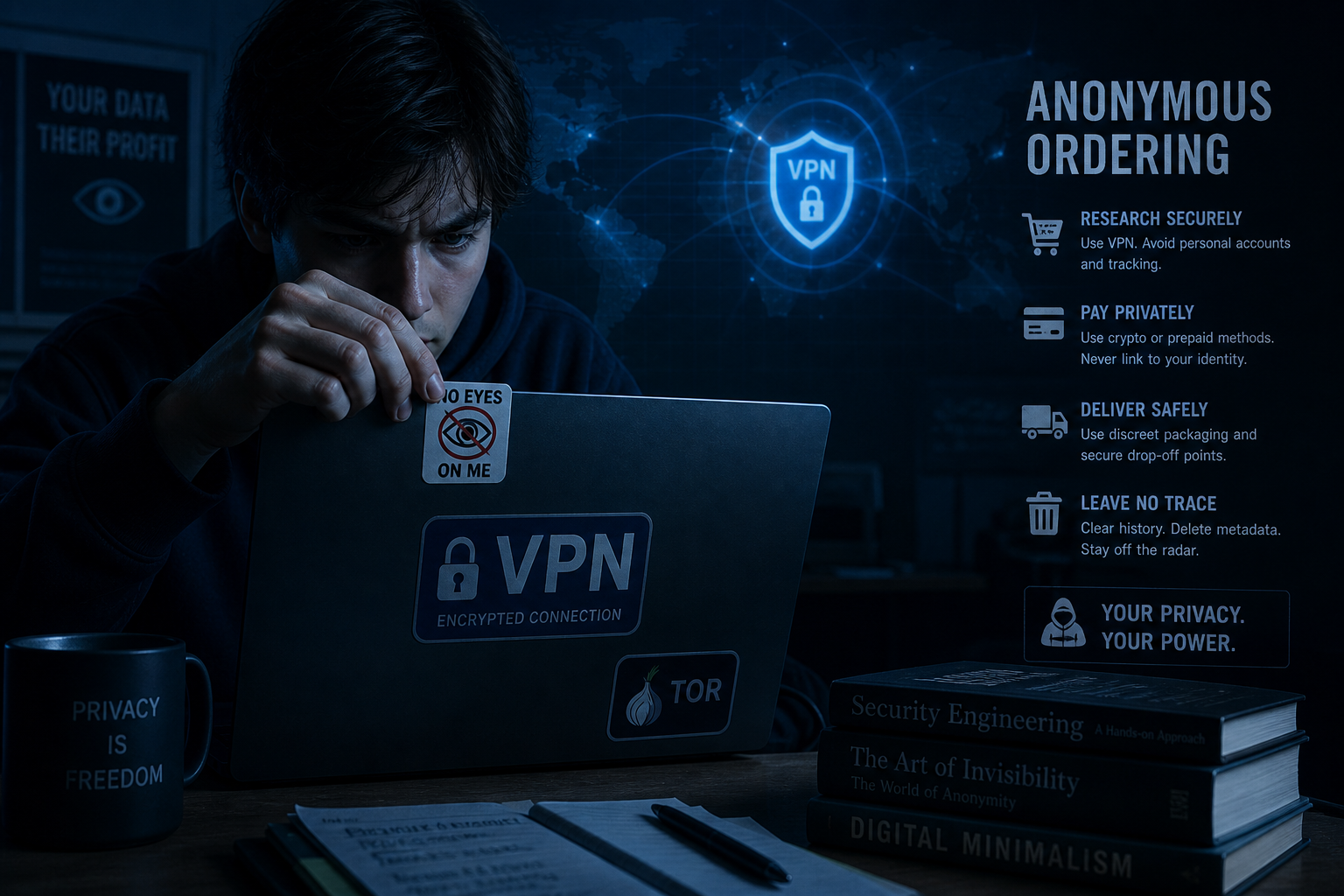
Use a dedicated browser profile or private browsing session when accessing essay service sites. Your main browser profile accumulates cookies, saved passwords, and autofill data that can link your student identity to your ordering activity across devices and sessions. A separate profile — or simply an incognito window for each visit — limits cross-site tracking and prevents autofill from populating your university email into a vendor form you did not intend to use. Browser hygiene sounds paranoid until you accidentally autofill a.edu address into a site you were only browsing for pricing. Checklist repetition turns privacy hygiene into muscle memory instead of a panic-time afterthought.
Avoid installing mobile apps from essay services unless you have verified the developer and read the permissions request carefully. Some apps request access to contacts, storage, or clipboard data that an order form does not require. On shared or lab computers, never log into essay service accounts at all — use your personal device on a network you trust. Public Wi-Fi without a VPN exposes your login credentials and any files you upload to anyone on the same network segment. If you must order on public Wi-Fi, use a VPN and avoid uploading files until you are on a secure connection. Unique passwords contain damage if essay-service databases leak credentials students reuse elsewhere.
Clear chat and order history from your device after the assignment is submitted and any refund window has closed. You do not need a permanent local archive of vendor conversations on a phone that might be lost, borrowed, or backed up to a family cloud account. If you keep records for dispute purposes, store them in an encrypted folder or password manager attachment — not in your Downloads directory with a filename that includes the course name and "essay help." Device hygiene is boring until a lost phone or shared laptop turns boring into urgent. Privacy discipline and brief discipline overlap: both limit what strangers know about your academic life.
A minimal privacy checklist
Run this checklist before your first order and again whenever you switch vendors. Create a dedicated email address not tied to your.edu domain. Use a virtual card number or wallet layer for payment. Strip metadata from every file you upload and every draft you download. Redact personal identifiers from briefs and attachments. Use a separate browser profile or private session. Read the privacy policy's data retention and sharing sections — specifically whether writers retain access to your files after delivery. Check each item explicitly; partial compliance leaves gaps that matter only after something goes wrong.
After delivery, change your account password if the platform does not offer two-factor authentication. Download any records you need for dispute purposes, then delete chat logs and order files from your device. Do not reuse the same password you use for your university portal, email, or banking apps. Essay service databases are not held to the same security standards as financial institutions, and credential reuse turns a vendor breach into a personal account compromise. Treat essay service credentials like disposable keys — unique, limited, and revocable.
Privacy risk when ordering essay help is manageable, not catastrophic. You are not trying to disappear — you are trying to control what data exists, where it lives, and who can access it. Students who skip these steps usually do so because a deadline feels more urgent than a hypothetical breach. Build the checklist into your ordering routine the same way you build rubric mapping into your brief: as a non-optional step that takes five minutes and prevents problems that take weeks to unwind. Privacy discipline and ordering discipline are the same habit applied to different risks.
Compare services with real review data
Use our match tool or read ranked reviews before you order — human writers, tracked cashback on partners, and quality index scores side by side.
Related reading
More in blog
Service reviews
Ranking guides